

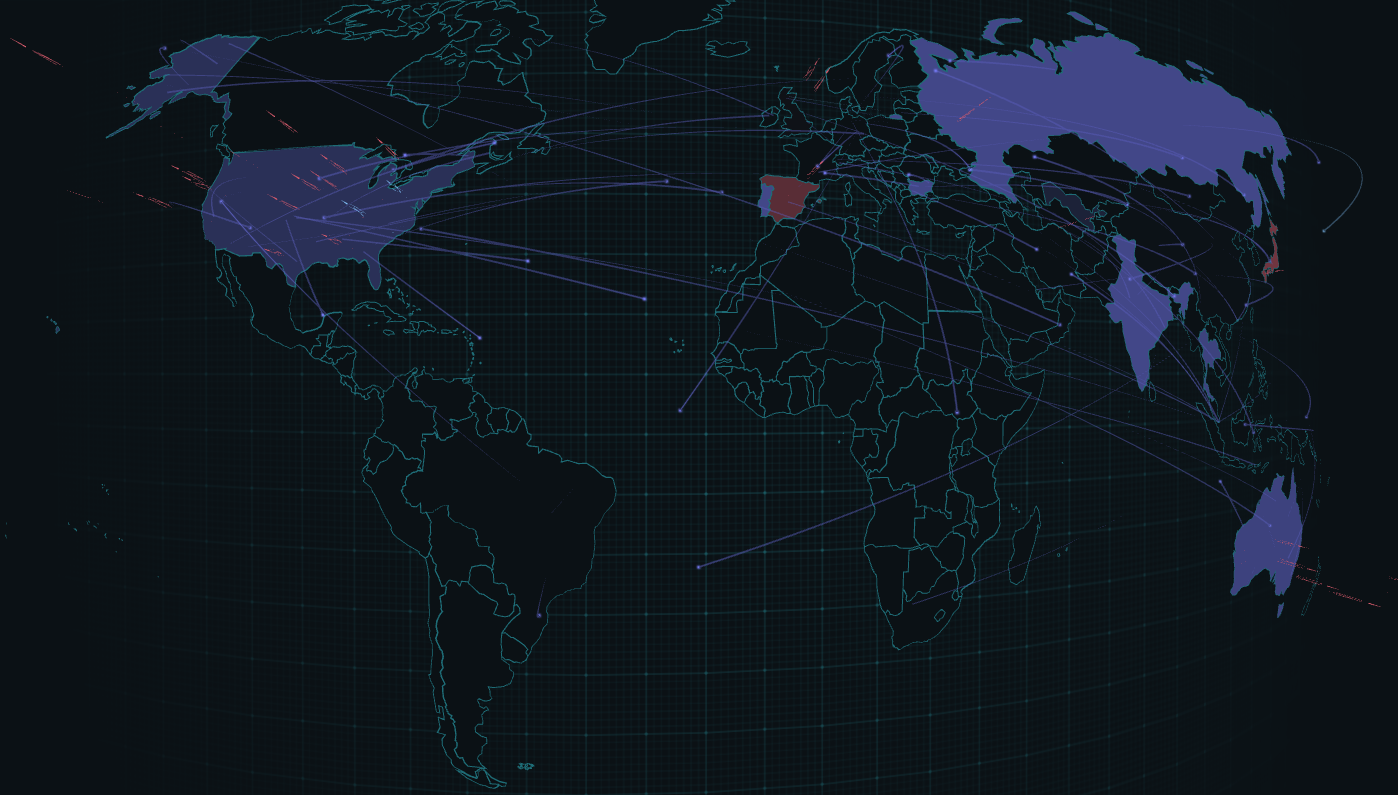
AsyncRAT, an open-source remote access trojan, has evolved into a sprawling network of forks and variants since its 2019 release. The article explores its origins, tracing influence from Quasar RAT, and maps out the relationships among various forks. DcRat and VenomRAT emerge as the most widely deployed variants, offering enhanced features and capabilities. Lesser-known forks like NonEuclid RAT, JasonRAT, and XieBroRAT introduce unique plugins and functionalities. The proliferation of AsyncRAT forks highlights the risks associated with open-source malware frameworks, lowering barriers for cybercriminals and contributing to an increasingly complex threat landscape. Author: AlienVault
Related Tags:
SantaRAT
BoratRAT
XieBroRAT
JasonRAT
NonEuclid RAT
evasion techniques
DCRat
remote access trojan
AsyncRAT
Associated Indicators:
CE580173F80EA8926A342A00C2391769B1CDDBFBA790F49E78884F534AC3810D
CB403C05F19D6144911C9CAFA017C9C05F632B0DAAF598937CFD984401C7A406
B88306F2ED133B9974C33BA731BDE72510D1EC5A08A766F8E3299A3C3DA33A67
910D46E7B88983251E7235FB4E6D93B2F906E645B65DBC8CF8070110443254C5
CD66B5225632C087EF00C5B47F4924772203808D5EA377B3455CBAE8E08AC41F
674BFA896F86CBEFA2054917BD0C6F4D92FEFDDB44C980731DCDC1DC80872150
319EEBFE268B98849276901A885C1764CD0D964691FBE0D58689EF2A62F051C9
6738A2A7E01E63DB60C542D4A9BE85D344E804384BEC18AEDBAE91AB3F7EB607
23B40E6B506A4767A8AA5B79972F7E6DB079FAA9F7E7BEBBD29381DEB6B0431E