

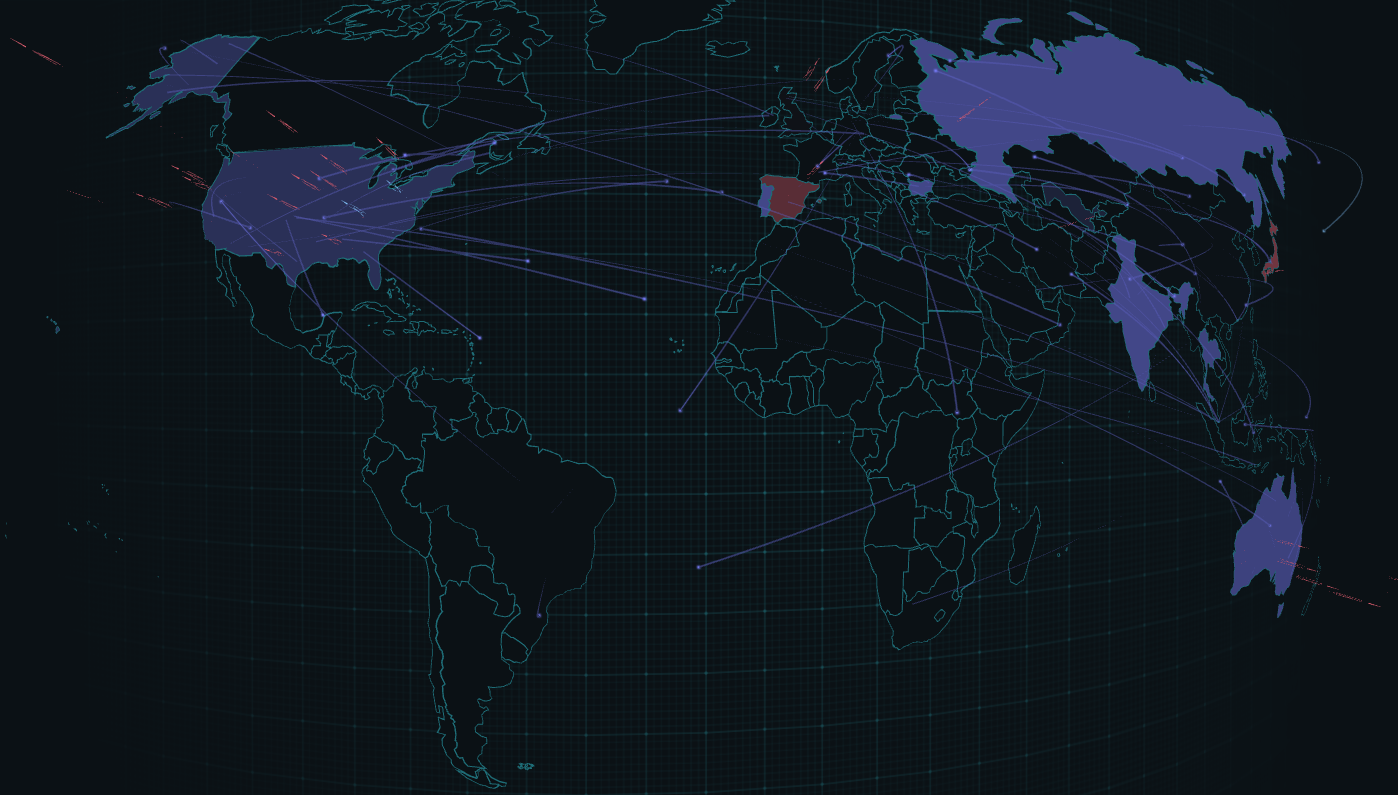
A sophisticated backdoor malware known as Backdoor.WIN32.Buterat has emerged as a significant threat to enterprise networks, demonstrating advanced [persistence](https://cybersecuritynews.com/detecting-and-responding-to-new-nation-state-persistence-techniques/) techniques and stealth capabilities that enable attackers to maintain long-term unauthorized access to compromised systems.The malware has been identified targeting government and corporate environments through carefully orchestrated phishing campaigns, malicious email attachments, and trojanized software downloads.Unlike conventional [malware](https://cybersecuritynews.com/chatgpt-powered-malware-analysis/) focused on immediate damage or data extraction, Buterat prioritizes longevity and covert operations.The backdoor establishes encrypted communication channels with remote command-and-control servers, allowing threat actors to execute arbitrary commands, deploy additional payloads, and move laterally across network infrastructure while evading traditional detection mechanisms.Point Wild researchers [identified](https://www.pointwild.com/threat-intelligence/analysis-of-backdoor-win32-buterat) the malware sample with SHA-256 hash f50ec4cf0d0472a3e40ff8b9d713fb0995e648ecedf15082a88b6e6f1789cdab, revealing its compilation using Borland Delphi and sophisticated obfuscation techniques. .webp) Execution Flow (Source — Point Wild)The malware disguises its processes under legitimate system tasks and modifies registry keys to achieve persistence across system reboots.**Advanced Thread Manipulation and Injection Techniques**———————————————————Buterat employs sophisticated thread manipulation methods that set it apart from typical backdoor implementations.The malware leverages obfuscated API calls, particularly SetThreadContext and ResumeThread, to achieve precise control over thread execution without creating new processes or altering entry points.This technique enables the backdoor to hijack existing threads seamlessly, making detection significantly more challenging for behavioral analysis systems.The SetThreadContext API provides attackers with granular control over thread states, allowing them to inject malicious code into legitimate processes without triggering process creation alerts.Following thread context modification, the malware uses ResumeThread to activate compromised threads with altered execution flows.This approach represents a sophisticated evasion mechanism that bypasses lightweight behavioral detection systems commonly deployed in enterprise environments.During infection, Buterat drops multiple executable files including amhost.exe, bmhost.exe, cmhost.exe, dmhost.exe, and lqL1gG.exe in the user directory, establishing multiple persistence points.The malware attempts communication with its command-and-control server at http://ginomp3.mooo.com/, enabling remote control capabilities for [data exfiltration](https://cybersecuritynews.com/data-exfiltration-prevention/) and additional payload deployment.Security teams should monitor for these specific indicators of compromise and implement network-level blocking to prevent communication with known malicious infrastructure.**`Boost your SOC and help your team protect your business with free top-notch threat intelligence: `[Request TI Lookup Premium Trial](https://intelligence.any.run/plans/?utm_source=csn&utm_medium=article&utm_campaign=alert_fatigue&utm_content=lookup_plan&utm_term=120825)`.`**The post [Buterat Backdoor Attacking Enterprises to Establish Persistence and Control Endpoints](https://cybersecuritynews.com/buterat-backdoor-attacking-enterprises/) appeared first on [Cyber Security News](https://cybersecuritynews.com).
Related Tags:
NAICS: 54 – Professional
Scientific
Technical Services
NAICS: 541 – Professional
Scientific
Technical Services
NAICS: 518 – Computing Infrastructure Providers
Data Processing
Web Hosting
Related Services
NAICS: 92 – Public Administration
NAICS: 926 – Administration Of Economic Programs
NAICS: 51 – Information
Blog: Cybersecurity News
Phishing
Application Layer Protocol: Web Protocols
Associated Indicators:
F50EC4CF0D0472A3E40FF8B9D713FB0995E648ECEDF15082A88B6E6F1789CDAB
http://ginomp3.mooo.com/